












Progress in the battle against elephant poaching
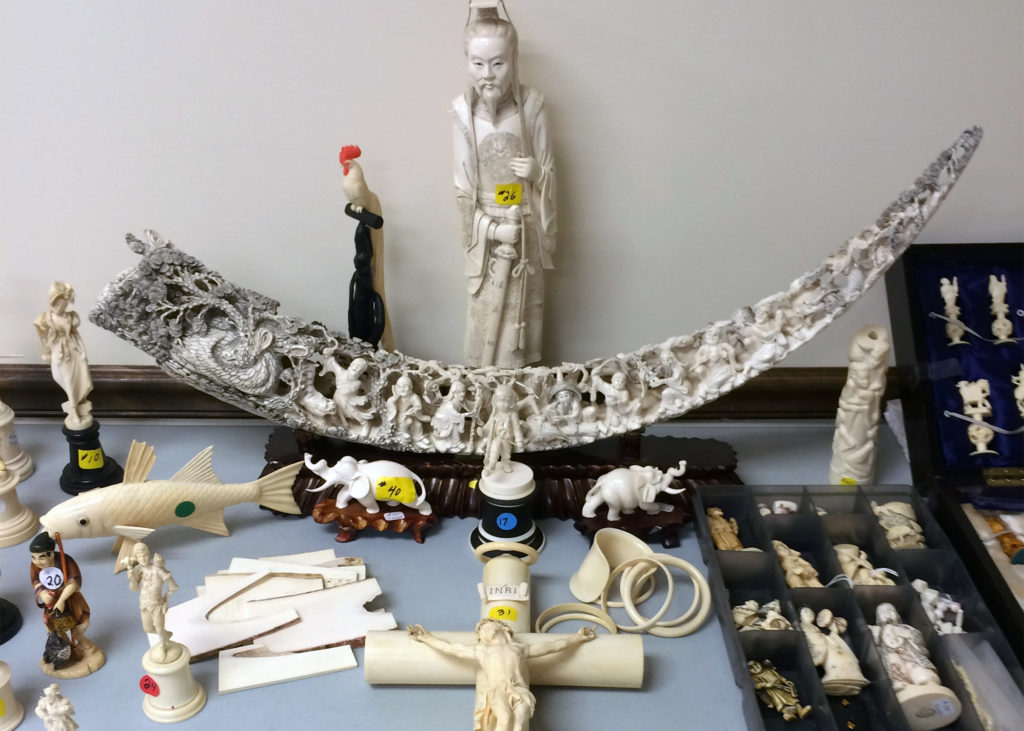
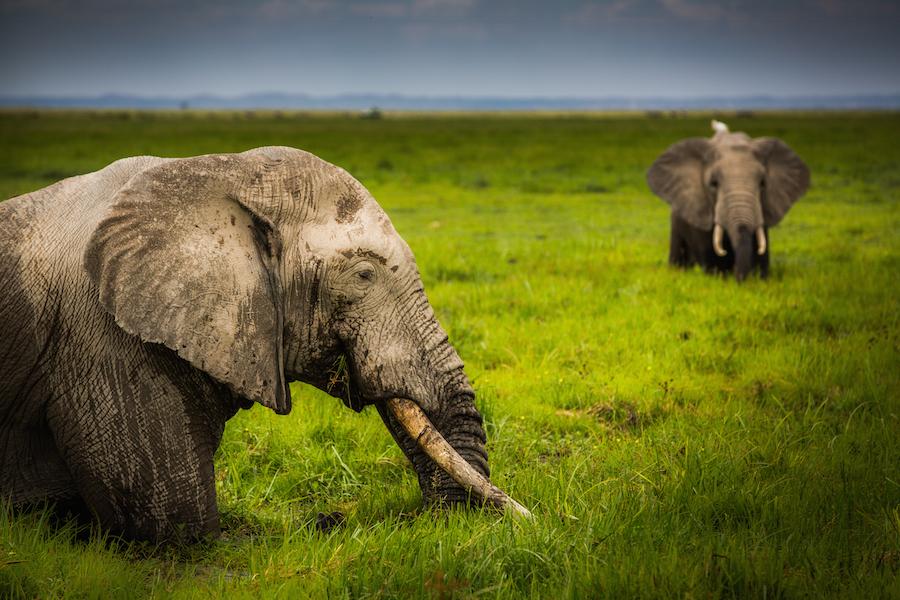
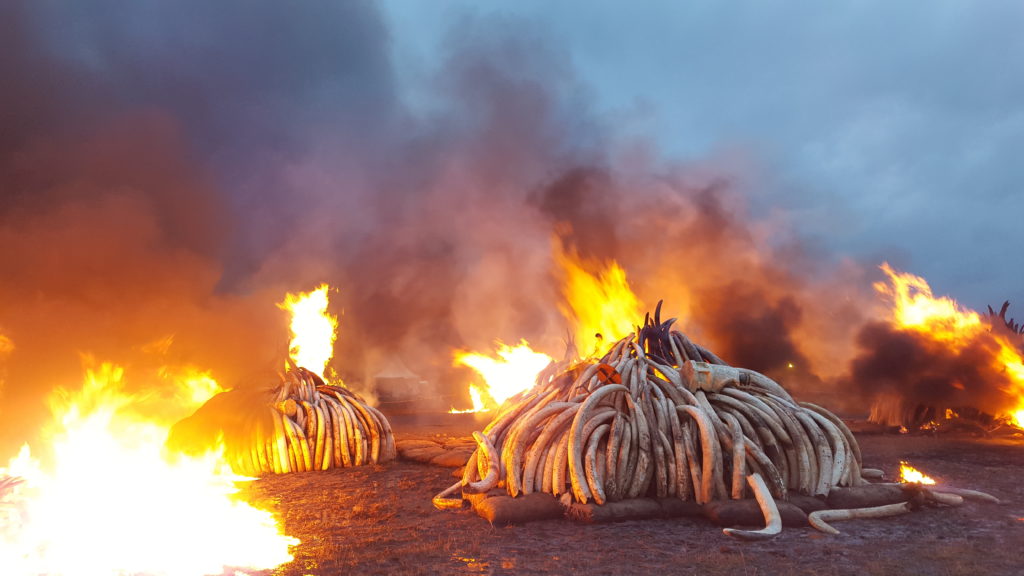
Every day across Africa, poachers kill elephants to meet demand for ivory products in Asia, the U.S. and other markets. From supporting China’s domestic ivory ban to collaborating with key border patrol officers, WildAid’s efforts to reduce consumer demand and end the ivory trade have helped cut poaching significantly. Nevertheless, demand persists and the work is far from done.
- 172
China has closed all 172 ivory carving factories and retail shops. - -80%
Ivory seized coming into China fell by 80% in 2016. - 33%
The proportion of elephant deaths in 2022 caused by illegal killing. That's down from 69% in 2011, reflecting a sharp decline in poaching.
Making an impact
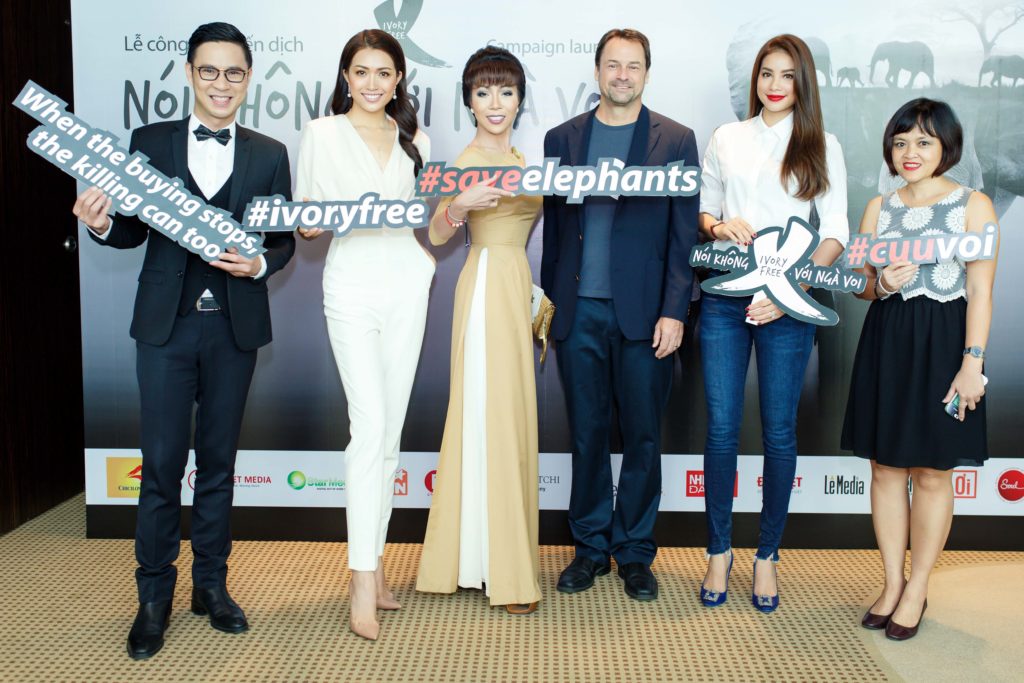
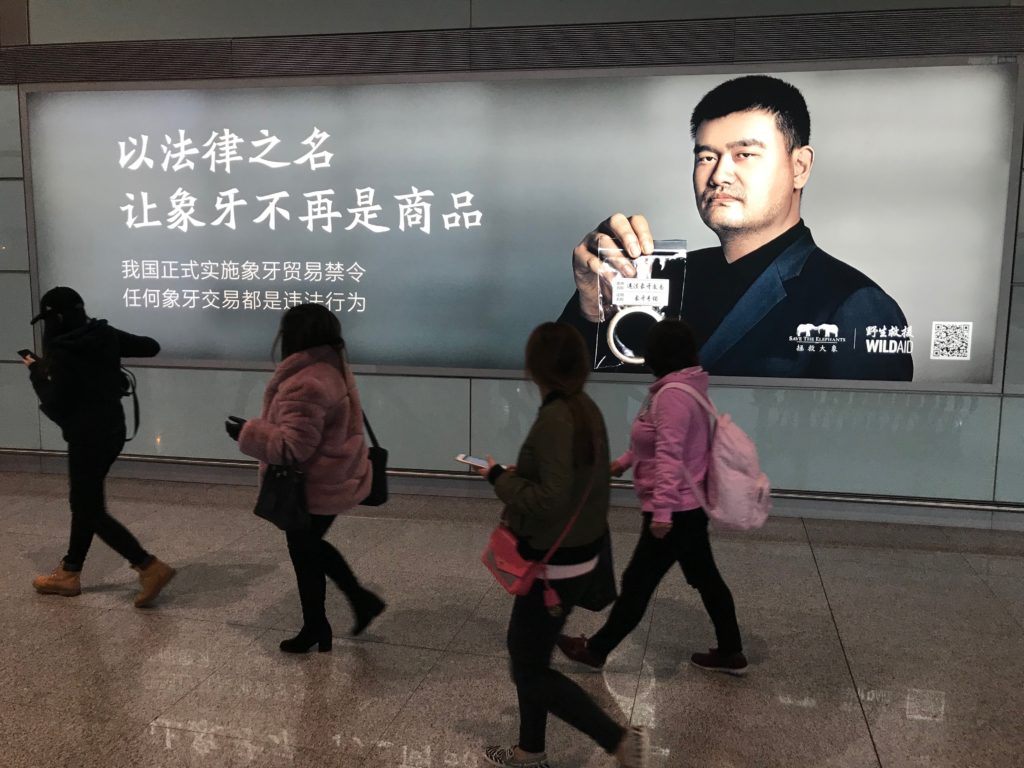
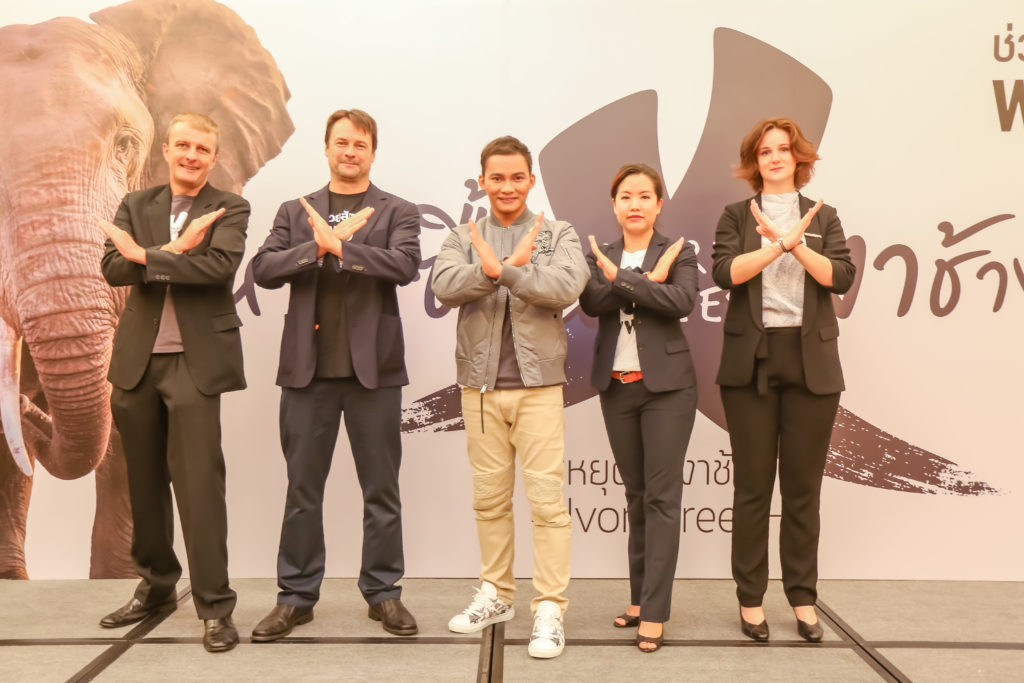
In 2012, WildAid launched a massive campaign to reduce ivory demand in China in partnership with Save the Elephants and the African Wildlife Foundation. Almost immediately, the campaign had a huge impact in raising public awareness about the crisis. Within just two years, our surveys showed a 50% increase in the number of Chinese who believed that elephant poaching was a major problem, and overwhelming support for government action to end the ivory trade.
On December 31, 2017, China, once the world’s largest ivory market, banned all domestic ivory sales. WildAid was instrumental in supporting the government in this historic action, the greatest single step in safeguarding the future of the African elephant. The ban has reinforced a steady downward trend in the proportion of illegally killed elephants (PIKE) – from 69% in 2011 to 57% in 2017 and 33% in 2022, according to the CITES Monitoring the Illegal Killing of Elephants (or MIKE) Programme.
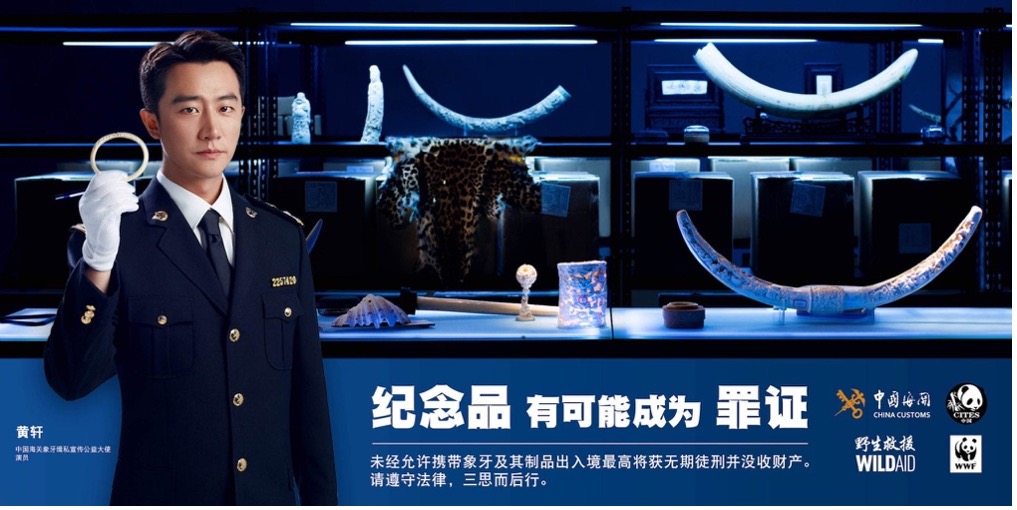
However, demand for ivory persists in certain markets. According to recent research, outbound tourists from China are still willing and able to buy ivory in some overseas tourist destinations. Our new ‘Bring Home Memories, Not Regrets’ campaign, led by popular actress Yang Zi, calls on Chinese travelers not to purchase ivory and other wildlife products as souvenirs.
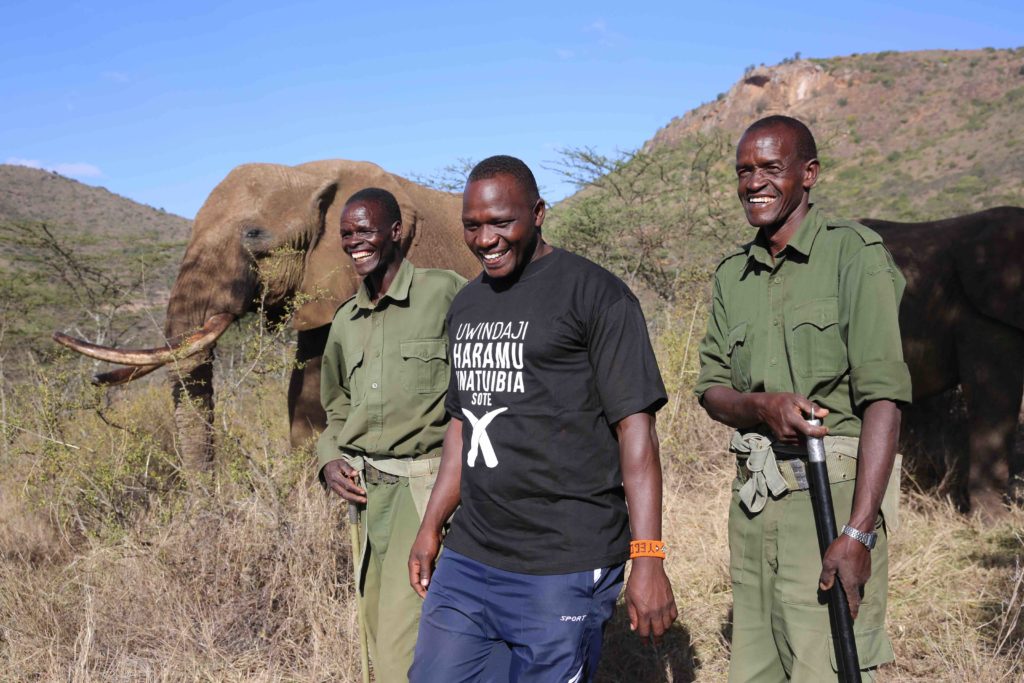
In Africa, WildAid has raised awareness about the need to protect elephants and the terrible impact caused by poaching. Our #JoinTheHerd campaign in Tanzania in 2015 was backed by religious leaders and other influencers, and helped to create a positive environment for the government to subsequently strengthen law enforcement for wildlife crimes.
In East Africa as a whole, we continue to raise awareness about wildlife trafficking – including ivory trafficking – most recently among workers at cargo shipping ports in Kampala, Dar es Salaam and Mombasa, and at key border crossings in the region. These campaigns, launched in 2023, have fostered pride in East Africa’s wildlife, increased determination to stamp out trafficking, and helped workers at ports and borders spot suspicious consignments.
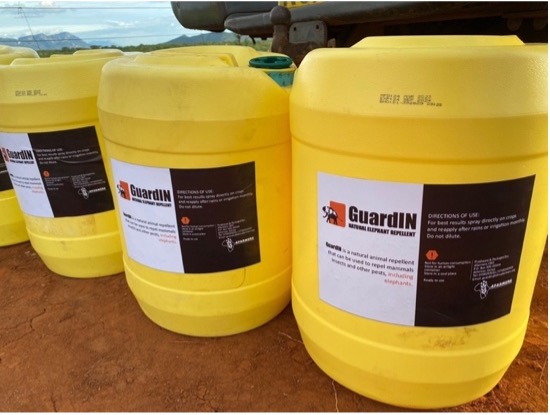
Poaching, though, is far from the only problem facing Africa’s elephant populations. As human populations rise, and elephants face growing threats from climate change and habitat loss, human-elephant conflict has emerged as a greater threat and a bigger killer in some African countries. In response, Wild Aid has developed an organic smelly elephant repellent for farmers to spray on crops, a product that has proved very effective at keeping hungry elephants at bay.